
Exploring New York State's Permitted Raw Milk Producers and Their Benefits
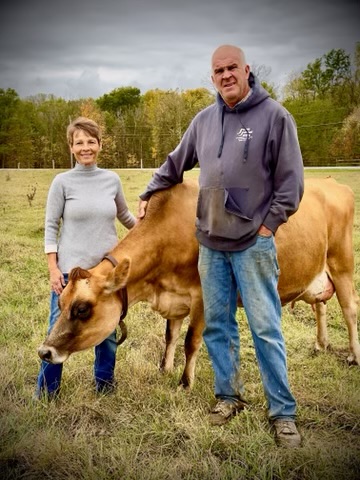
Raw milk has been a subject of debate for years, but in New York State, a regulated system allows certain producers to sell raw milk legally. This system ensures safety while offering consumers access to fresh, unpasteurized milk. Understanding New York State's permitted raw milk producers, their practices, and the benefits of raw milk can help consumers make informed choices.

What Defines a Permitted Raw Milk Producer in New York State
New York State allows raw milk sales under strict regulations. A permitted raw milk producer is a dairy farm that meets specific state requirements to produce and sell raw milk directly to consumers. These farms must obtain a permit from the New York State Department of Agriculture and Markets.
To qualify for a permit, producers must:
Follow rigorous sanitation and hygiene standards.
Conduct regular testing for pathogens such as Salmonella, Listeria, and E. coli.
Maintain detailed records of milk production and sales.
Allow inspections by state officials to ensure compliance.
These rules aim to reduce health risks associated with raw milk while preserving consumer access.
How to Find Permitted Raw Milk Producers in New York
Consumers interested in purchasing raw milk should look for farms with a valid permit. The New York State Department of Agriculture and Markets publishes a list of permitted raw milk producers on their website. This list includes:
Farm names and locations
Contact information
Types of raw milk products available (cow, goat, or sheep milk)
Visiting the farm or contacting the producer directly can provide additional details about their practices and product availability.
Benefits of Raw Milk from Permitted Producers
Raw milk supporters often highlight several benefits compared to pasteurized milk. These benefits include:
Nutrient retention: Pasteurization can reduce certain vitamins and enzymes. Raw milk retains these nutrients in their natural state.
Better taste: Many consumers prefer the fresh, creamy flavor of raw milk.
Probiotics: Raw milk contains natural bacteria that may support gut health.
Support for local farms: Buying raw milk directly from permitted producers helps sustain small-scale dairy farms in New York.
While raw milk carries some risks, purchasing from permitted producers reduces those risks through strict safety measures.
Safety Measures Taken by Permitted Producers
Permitted raw milk producers in New York follow several safety practices to protect consumers:
Regular testing: Milk is tested frequently for harmful bacteria.
Clean facilities: Milking equipment and barns are cleaned daily.
Healthy animals: Cows and goats undergo veterinary checks to prevent disease.
Cold storage: Raw milk is refrigerated immediately after milking to slow bacterial growth.
Traceability: Producers keep detailed records to trace milk batches if needed.
These measures create a safer raw milk supply than unregulated sources.
Examples of Permitted Raw Milk Producers in New York
Several farms across New York State have earned permits to sell raw milk. Here are a few examples:
LanaRosa Dairy in Llivingston County, Leicester NY, produces raw Jersey Cow milk. They focus on pasture raised herd and organic supplement.
G&G Dairy in Monroe County , Churchville NY produces raw cows milk
Sunny Cove Farm in Allegany County , Alfred Station NY produces raw cows milk with sustainable practises.
These farms provide fresh, high-quality raw milk products while following state regulations.
The Legal Landscape of Raw Milk in New York
New York’s approach to raw milk balances consumer choice with public health. Unlike some states where raw milk sales are banned, New York permits sales under strict conditions. This legal framework:
Protects consumers by enforcing safety standards.
Supports small farms by allowing direct sales.
Provides transparency through permits and inspections.
This system serves as a model for states considering how to regulate raw milk.
The Role of Consumer Education
Educating consumers about raw milk is essential. Permitted producers often provide information about:
The benefits and risks of raw milk.
Proper storage and handling.
How their farm meets safety standards.
Informed consumers can make better decisions and enjoy raw milk safely.

Raw milk from permitted producers in New York State offers a unique option for those seeking fresh, nutrient-rich dairy products. The state’s regulatory framework ensures these products meet safety standards while supporting local farms. By choosing permitted producers and following safe handling practices, consumers can enjoy the benefits of raw milk with greater confidence.


